


Castly -Roku, Chromecast,DLNA
3.43.09K Reviews
App Specs
- Version
- 2.3.3
- Updated On
- License
- Free
- Downloads
- 1,000,000+
- Developer
- Castly
- Categories
- Tools
- Platform
- Android
Screenshots
 Analysis by AppCompare
When I first try a phone-to-TV casting app, I want one simple result: find the screen in the room and get a video playing without turning setup into a project. Castly -Roku, Chromecast, DLNA is aimed at that everyday job, combining media casting with a Roku remote in a Tools app from Castly. It is free to install, though it offers in-app purchases ranging from $1.99 to $49.99 per item, so I’d treat the free version as a chance to check whether it suits your setup before spending anything.
What to expect on your first try
The basic idea is straightforward: use your phone to send media to a compatible television or streaming device, then manage playback from the phone. That can be handy when a video is already on your device and you would rather watch it on a larger screen than pass your phone around. Castly has a 3.3 average from around 9,500 ratings, with roughly 2,900 written reviews and over 500,000 installs. Those figures suggest it has found an audience, but they also make it sensible to test your own TV and home network rather than assume every combination will behave identically.
I would approach the app as a practical casting tool, not as a replacement for every streaming service or every device’s official app. Its store summary points to video casting and a Roku remote, while the name also signals Roku, Chromecast and DLNA compatibility. In real use, the important question is whether your particular receiver appears and handles the content you want to watch. Different televisions and network conditions can change that experience, so a short test with a familiar video is a better first step than planning a full evening around it.
Getting started without guesswork
Have you ever been lounging on the couch, phone in hand, and thought, "I wish I could just throw this video up on the big screen?" Well, you’re in luck because Castly -Roku, Chromecast, DLNA is here to make those dreams a reality. I recently took this app for a spin, and let me tell you, it's like magic for your media. Here’s the lowdown on how it works and why it might just become your new favorite app.
Getting Started with Castly
First things first, downloading and setting up Castly is a breeze. The app is available for both Android and iOS, so no matter your device, you're covered. Once installed, you’ll be greeted by a simple interface that makes navigation a piece of cake.
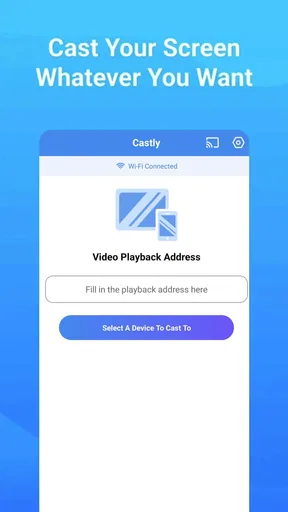
After launching the app, you’ll want to make sure your phone and the device you’re casting to (like your Roku, Chromecast, or any DLNA-supported gadget) are on the same Wi-Fi network. The app automatically detects available devices, and with just a tap, you’re connected. It's as easy as pie!
For a reassuring first session, I’d keep the setup modest: leave the phone and receiver on the same Wi-Fi, open Castly, select the screen that belongs to your room, and try one short, familiar clip. If you have more than one television or receiver, check the device name before connecting; choosing the wrong screen can look like a casting failure when the app has simply found a different destination. Once you know which entry is yours, future sessions should be less confusing.
Worth Reading Before You Choose

EA SPORTS FC Mobile 26 Is a Bigger Football Game, but It Takes Time

Flipboard Shows What News Apps Must Do Beyond the Feed

Switching to Android Auto Means Rethinking Your Driving Routine

Google Calendar Makes a Crowded Week Easier to Manage

Ludo King Makes the Most of the Minutes Between Plans

Baby Panda World Brings Quick Play to Modern Phones, but Its Game Library Feels Busy
If no device appears, I’d first check the network rather than repeatedly tapping around the app. A phone can be connected to a different Wi-Fi network from the TV even when both are online, and a router may separate devices across guest and main networks. Moving both onto the same home network and reopening the device list is a sensible troubleshooting step. If discovery still fails, restarting the receiver or app is a simple next check before assuming the app is incompatible.
Features That Shine
What really sets Castly apart is its flexibility and ease of use. The app supports a wide variety of media formats, so whether you’re casting videos, music, or photos, Castly handles it all. I tried casting several different file types, and it worked without a hitch every time.
One standout feature is the ability to queue up multiple videos. You can create a playlist, sit back, and let the entertainment flow. It’s perfect for those lazy Sundays or when you’re hosting a gathering and want to keep the vibe going without constant interruptions.
The queue is most useful when you plan the order before people gather around the TV. I’d select a few clips that belong together, then let them play rather than handing the phone from person to person after each one. For a family photo or video catch-up, for example, a prepared sequence can keep the room focused on the screen. The trade-off is that a queue only helps if the chosen files are accessible and play reliably, so I’d test an unfamiliar file before relying on it for a special occasion.
A useful distinction to keep in mind is that casting a file from your phone is not necessarily the same thing as opening a streaming service on the television. Castly is best suited to content you can select for casting from the device; if your goal is browsing a service’s full catalogue, signing in, and using its own recommendations, the service’s TV app is usually the more natural choice. That difference can save time: use Castly for personal media, and use the television’s own app when the content lives inside a subscription platform.
A User-Friendly Experience
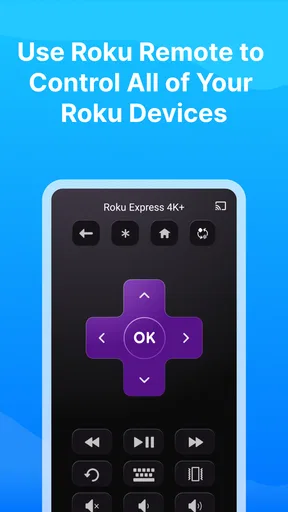
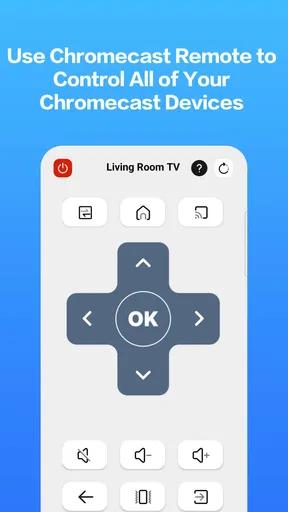
Another thing I love about Castly is how intuitive and user-friendly it is. The controls are straightforward, and everything is clearly labeled, so there’s no fumbling around trying to figure out how to make things work. The app also offers a neat little remote feature, letting you adjust volume and playback without having to juggle multiple remotes.
The app's developers have clearly put a lot of thought into the user experience. For instance, if you’re casting a video and get a call on your phone, Castly pauses the video for you. It’s these small touches that make using the app a seamless experience.
For a common evening scenario, imagine finding a clip on your phone while relaxing in the living room. I’d connect to the television, start that clip, and keep the phone nearby as the playback control instead of searching for the TV remote between every adjustment. For a series of short videos, I’d arrange the queue before settling in. For a single film, I’d test the picture and sound first, since a brief check is less frustrating than discovering a connection or buffering issue after everyone is ready to watch.
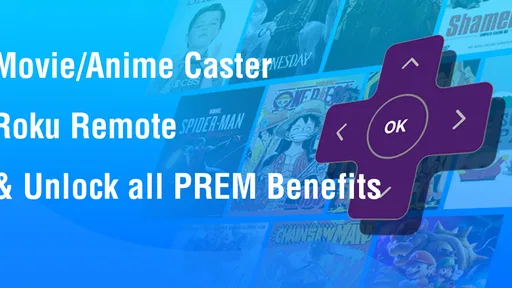
The Roku remote angle is particularly relevant if the physical remote is out of reach or you want to keep playback controls together with casting. It does not mean the phone becomes a universal controller for every television function; I’d still keep the regular remote nearby for menus or settings that the app may not cover. Used as a convenient companion rather than a guaranteed replacement, the remote feature is easier to appreciate.
One practical trade-off with phone-based controls is that the phone remains part of the viewing setup. If you need it for a call, messages, or another task, you may prefer the television’s own remote or a dedicated streaming-device app. Castly is a good fit when you want quick control from the device already in your hand, but it is not necessarily the best choice for someone who wants to put the phone away completely.
Room for Improvement
Now, no app is perfect, right? While Castly is pretty darn close, there are a couple of areas where it could improve. I noticed that while casting high-resolution videos, there was the occasional buffering. It wasn’t a dealbreaker, but something to be aware of if you’re planning a movie marathon with 4K content.
Another thing I’d love to see in future updates is integration with more streaming services. Currently, you can cast local media from your device, which is fantastic, but having the option to cast directly from popular streaming apps would be a game-changer.
That buffering is worth thinking about before choosing what to watch. If a high-resolution video stutters, I’d try a shorter or lower-demand clip and see whether the problem is limited to that file or happens across the board. A congested Wi-Fi connection can affect casting, so pausing large downloads on the home network or moving closer to the router may help. Those steps cannot guarantee smooth playback, but they can help distinguish a temporary network issue from a file or receiver that does not work well with the setup.
I would also avoid assuming that every file format will behave equally just because the app supports a wide range. If a video refuses to start, test a different file before changing several settings at once. That gives you a clearer clue about whether the trouble is specific to the media or to the connection. For important plans, a quick preview is more useful than discovering a problem when guests are already waiting.
Compared with using a television’s built-in casting or the official app for a streaming device, a third-party tool can be more convenient when you want one place to pick personal media and access casting controls. The official options may still be more dependable for device-specific settings, account-based services, and features tightly tied to a particular brand. I’d choose Castly when its mix of phone media and Roku control matches the task, and switch to the receiver’s own app when I need a service’s full TV experience or deeper device controls.
Castly is available at no charge, but in-app purchases are offered, with items priced from $1.99 to $49.99. I’d use the app on a real, ordinary task before considering any purchase, then decide whether the features I actually use justify it. It is rated for Everyone, and the current version is 2.1.9; Android support starts with version 5.0. Those details make it accessible to many setups, though the actual casting experience still depends on the phone, receiver and network working together.
Who will get the most from it
I’d recommend trying Castly if you often keep videos or other personal media on your phone and want a straightforward way to view them on a compatible television. It may also suit someone who wants Roku playback controls close at hand and is comfortable using a phone during viewing. The strongest use case is not complicated: select content you already have, connect to the correct screen, and enjoy it without passing the handset around.
I’d skip it if your main goal is to browse subscription services on the TV, if you need a guaranteed replacement for a physical remote, or if your home network frequently struggles with video. In those cases, a service’s own television app, the receiver manufacturer’s app, or the standard remote may be a better fit. That is not a knock against Castly; it is simply a matter of using the right tool for the kind of media and control you need.
Final Thoughts
Overall, Castly -Roku, Chromecast, DLNA is a must-have app for anyone who loves media and wants an easy way to stream content from their device to the big screen. It’s simple, it’s effective, and it’s a joy to use. Whether you’re tech-savvy or just getting started with casting, Castly makes the process as smooth as butter.
If you’re ready to take your media experience to the next level, I highly recommend giving Castly a try. It’s available now for download on both Android and iOS, and trust me, you won’t be disappointed.
My practical advice is to make the first attempt low-pressure: confirm both devices are on the same Wi-Fi, pick a short clip, and check that the right screen is selected. If that works, try a small queue and see whether the remote controls fit your habits. If it does not, compare the result with the TV’s own casting option before spending money or assuming your entire setup is at fault.
For someone new to casting, that first successful playback is the useful test—not a long list of features. Castly has a clear place in a home where phone-stored media and quick Roku controls matter. I like it most as a convenient bridge between a phone and a living-room screen, with the usual caveat that network quality and the receiver determine how smooth the experience feels.
Pros
- Seamless casting to multiple devices.
- Intuitive user interface design.
- Supports a wide range of media formats.
- Offers high-quality streaming options.
- Allows remote control from your phone.
Cons
- Frequent ads can be disruptive.
- Limited features in the free version.
- Occasional connectivity issues.
- Requires stable Wi-Fi for best performance.
- Some users report lag during playback.
FAQs for Castly -Roku, Chromecast,DLNA
What devices are compatible with Castly?
Castly is designed to work seamlessly with popular streaming devices such as Roku, Chromecast, and DLNA-enabled devices. Before downloading, ensure your streaming device is compatible with these standards. The app supports both Android and iOS platforms, making it versatile for various smartphones and tablets.
Does Castly require an internet connection to function?
Yes, Castly requires a stable internet connection for streaming content from your device to your TV. The app uses your Wi-Fi network to connect to Roku, Chromecast, or DLNA devices. Ensure your network is stable and that both your mobile device and streaming device are connected to the same network for optimal performance.
Is Castly free to use?
Castly offers a free version with basic features, allowing you to cast media from your device. However, there may be in-app purchases or a premium version available, providing additional features such as ad-free experience or enhanced streaming options. Check the app store for more details on pricing and available features.
How do I troubleshoot connection issues with Castly?
If you experience connection issues, first ensure both your mobile device and streaming device are on the same Wi-Fi network. Restarting the app and your streaming device can resolve many issues. Consult the app’s support section for further troubleshooting steps or contact customer support for assistance.
What types of media can I stream using Castly?
Castly supports a wide range of media formats, including videos, photos, and music. It is compatible with various file types like MP4, JPEG, and MP3, among others. Before streaming, check if your media files are supported by both Castly and your streaming device for a smooth experience.


